
Growing your own food doesn’t have to be expensive. Check out these vegetable gardening tips to help your garden thrive with less work. Adopting some of these garden planning tips helps to keep more cash in your pocket, too, as you discover the possibility of upcycling some common household items for use in your vegetable garden.
Originally published in December 2015; this post has been updated.
JUMP TO:
- What to Grow
- Choose the Right Location
- Starting Seeds
- Caring for Seedlings
- Propagation
- Container Gardening
- Growing Vertically
- Extend the Harvest
- Water in the Garden
- Building Good Soil
- Controlling Weeds
- Pest Control
- Fencing
- Grow an Orchard
- Support Pollinators
- Keep it Clean
Vegetable gardening has become a favorite pastime for many and a way to produce a harvest for the table and the pantry. One thing that any gardener will tell you is that there is always something new to learn.
What to Grow
Choose fast growing crops
In a hurry for a harvest? Plenty of crops mature in a two-to-three month time frame, giving you a chance to plant and harvest vegetables pretty quickly. These fast-growing crops are great for those who are impatient like me, and also as a way to get one last harvest in before the first frost of the season.
Choose easy crops
If you’re new to growing vegetables, keep it simple and stick with options that are sure to leave you feeling successful at the end of your first official growing season.
Grow Some Greens!
Ready to grow fresh greens, no matter WHERE you live? Sign up for my
FREE quick-start guide and start growing some of your own food!
These easy to grow vegetables offer great odds and are some of the easiest to add to your vegetable garden, assuring a successful garden harvest. Unless otherwise noted, these crops can easily be direct seeded in the garden.
Fill your belly
Lettuce and tomatoes are delicious, but could you survive on those alone? Unlikely. Adding some high-calorie, starchy foods like potatoes, winter squash, and corn to the garden will help fill you up without having to make a trip to the store.
Location, Location, Location
Throwing shade
Vegetable plants, generally speaking, prefer a sunny location. But if you’re stuck with a tree studded garden area that casts a lot of shade, knowing which crops will tolerate shade will help prevent frustration.
Front yard gardening
Oh, you’ve got a nit-picky homeowners association, you say? Then you’re going to want to know which productive crops you can plant right out in the open with nobody being the wiser.
For example, decorative chartreuse sweet potato vines are gorgeous in the ground or spilling out of planters. But did you know that the plants create a tuber that is edible? Check out this list of nice looking plants perfect for a front yard garden.
Rotate
Planting the same crops in the same spot every season allows pests and diseases to take hold. Plant different crops in each area to avoid this and to help build soil. Nightshade plants, legumes, and cucurbits should be planted in different parts of the garden each year. Because legumes fix nitrogen in the ground, the can help to improve the soil for the crop that follows.
Seed Starting
Upcycled seed trays
Instead of recycling them (or tossing them in the trash), save supermarket fruit and vegetable containers or plastic takeout boxes. These containers are great for starting seeds or potting up cuttings before planting them out.
Use egg cartons for starting seeds
Put the soil into each cardboard carton cup and plant one seed per cup. Place on a tray and keep the tray filled with a quarter-inch of water.
When you are ready to plant, cut the compartments apart and plant the entire thing in the ground. The roots will push out of the cardboard and there will be no transplant shock for the seedlings and the cardboard will soon dissolve and enrich the soil.
Another alternative? Turning toilet paper tubes into seedling pots.
Soak vegetable seeds before planting
You can give vegetable seeds a head start in the garden by soaking seeds before planting them. The extra moisture can speed germination and helps them thrive.
Sprout in an instant
The germination of garden seeds requires a specific temperature range for the initial sprouting to happen. If your house is too cool, starting seeds inside can be difficult if not a complete bust. Seed mats are the conventional way to keep sprouting seeds and seedlings warm. But if you’ve got an electric pressure cooker? Give your seeds a jump start in the Instant Pot!
Toilet paper seed tape
Thinning out seedlings can be a chore, and if the seedlings aren’t something you’d use (like baby greens), it means many of those seeds are wasted. Maybe you’d like to try making your own seed tape. With a simple flour paste and two-ply toilet paper, you can set seeds exactly at the right spacing. The seeded paper is planted directly in the garden.
- Make a paste using a tablespoon of flour mixed with enough water to create a paste that’s of medium consistency.
- Dab it on at the spacing interval suggested on the seed packet and place your seeds on the wet paste.
- Allow to dry, roll up and plant later, or plant immediately.
- Keep your toilet paper piece no more than 3 feet long so they are easy to work with.
- Go here for a more in-depth look at making seed tape.
Sowing seeds evenly
To get even spacing use a metal garden rake – push wine corks onto the ends of the tines and use this to make holes in the ground for your seeds.
Alternatively, turn a piece of scrap wood into a seed spacer as shown in this video. To use it, simply press this into the ground for even spacing – the harder you press the deeper the seed hole.
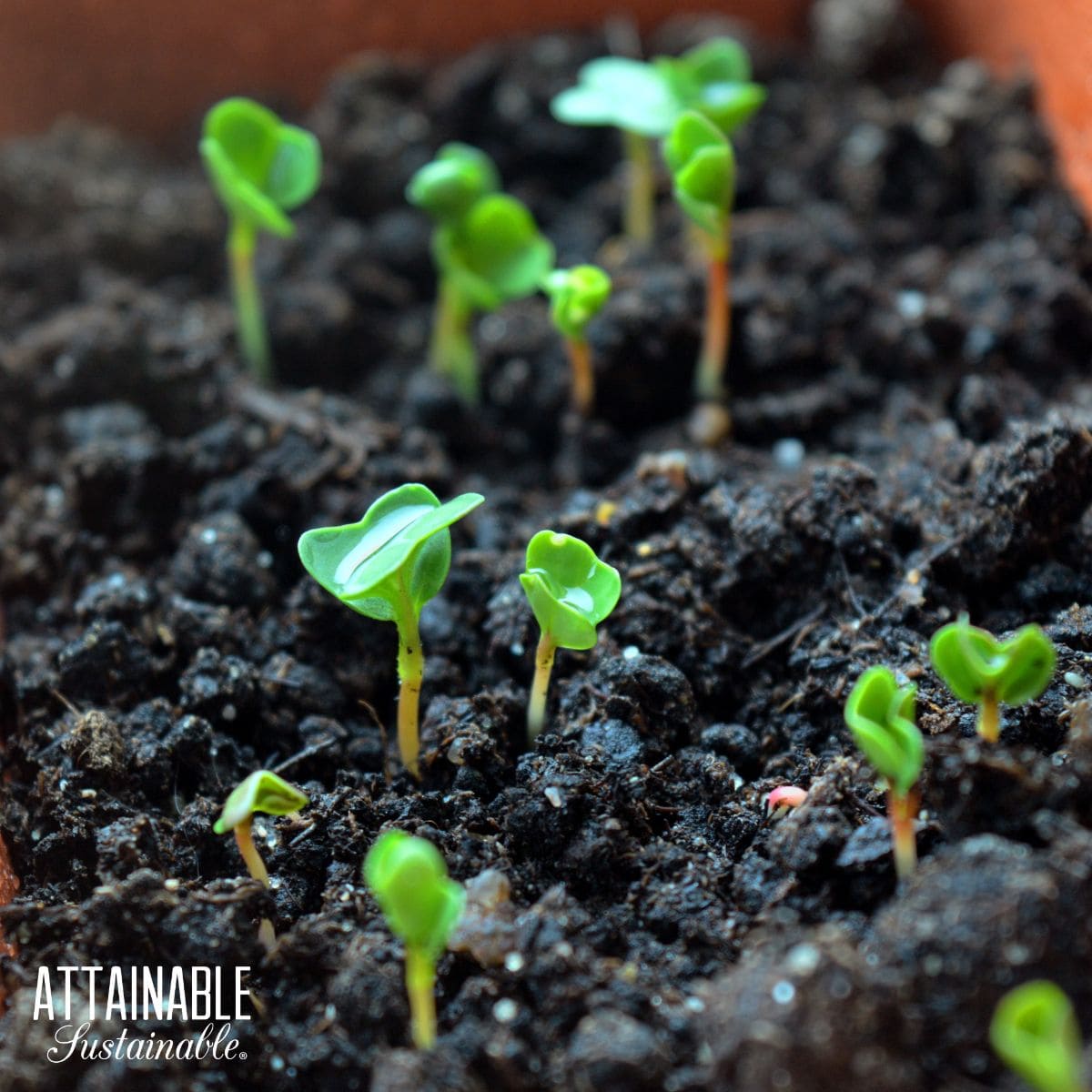
Seedlings
Cinnamon for seedlings
Shake ground cinnamon around newly sprouted seedlings – it has anti-fungal properties and prevent damping off.
Transplant on a cloudy day
Planting young seedlings out on a hot, sunny day will stress the young plants. Instead, transplant them on an overcast or cloudy day. If that’s not possible, plant them in the evening.
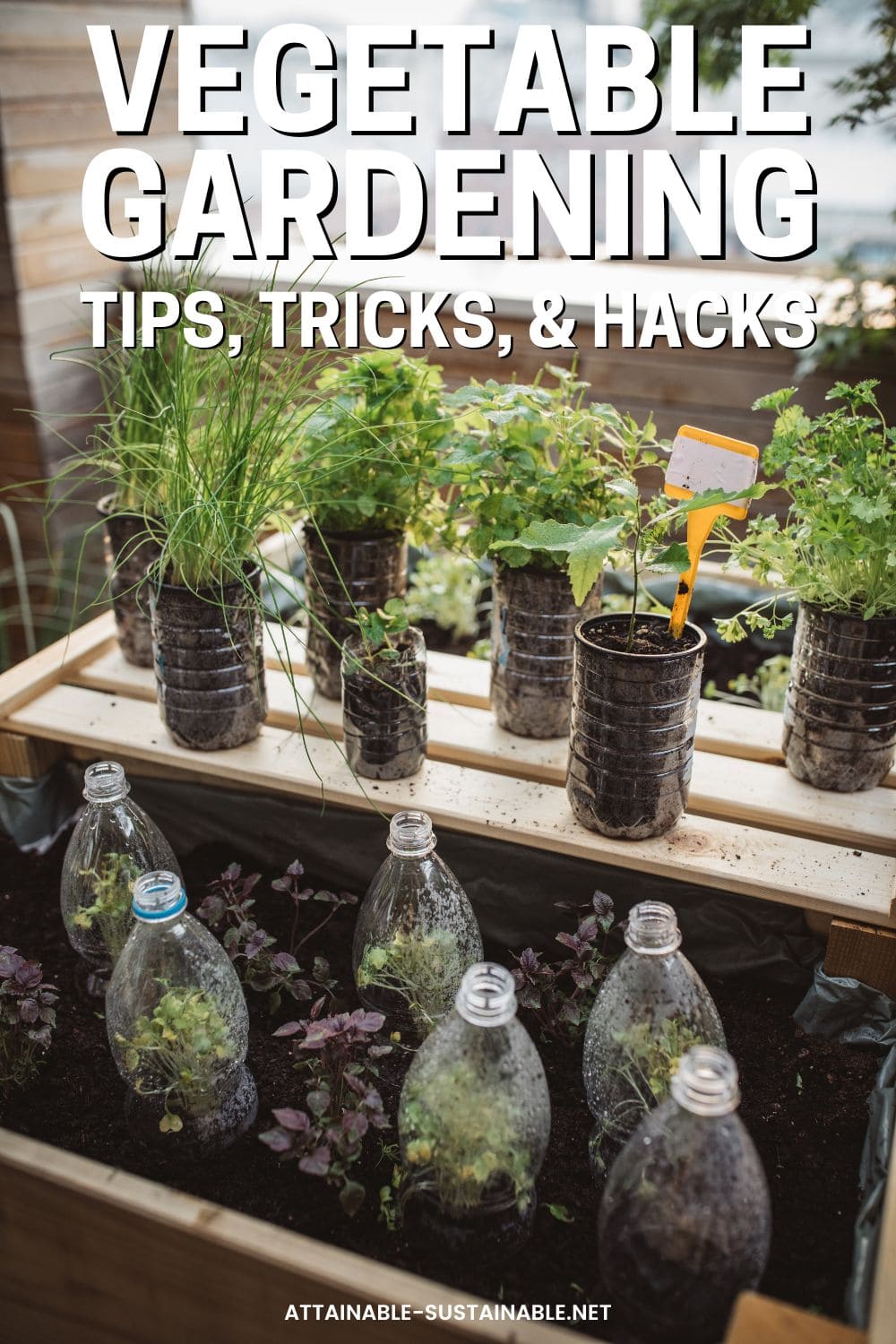
Plastic bottle cloche
Old-fashioned garden cloches were made of glass, with the goal of protecting tender plants. You can use upcycled juice or soda containers to protect seedlings from birds and cold weather while they are getting established.
Use a sharp blade to cut the bottom off of a half-gallon or gallon sized jug and push it gently around a seedling. Remove the cap to allow hot air to escape so that it doesn’t get too hot inside.
Deep planting for tomatoes
If you’ve ever grown tomatoes, you know that their stems are very fleshy. Those stems will send out roots if they touch moist soil, or even above ground if the weather is rainy and wet. By planting tomato seedlings deep — all the way to the first set of stems — you’ll allow that plant to put out more roots and make a sturdier plant.
Propagation
Allow plants to go to seed
Let heirloom vegetables go to seed at the end of their life cycle so that you can gather seeds and plant again next year. Plants like lettuce, cilantro, kale, and even radishes when left in the ground will develop flowers and then seeds which can be harvested and saved for planting a new crop.
Save seeds from vegetables
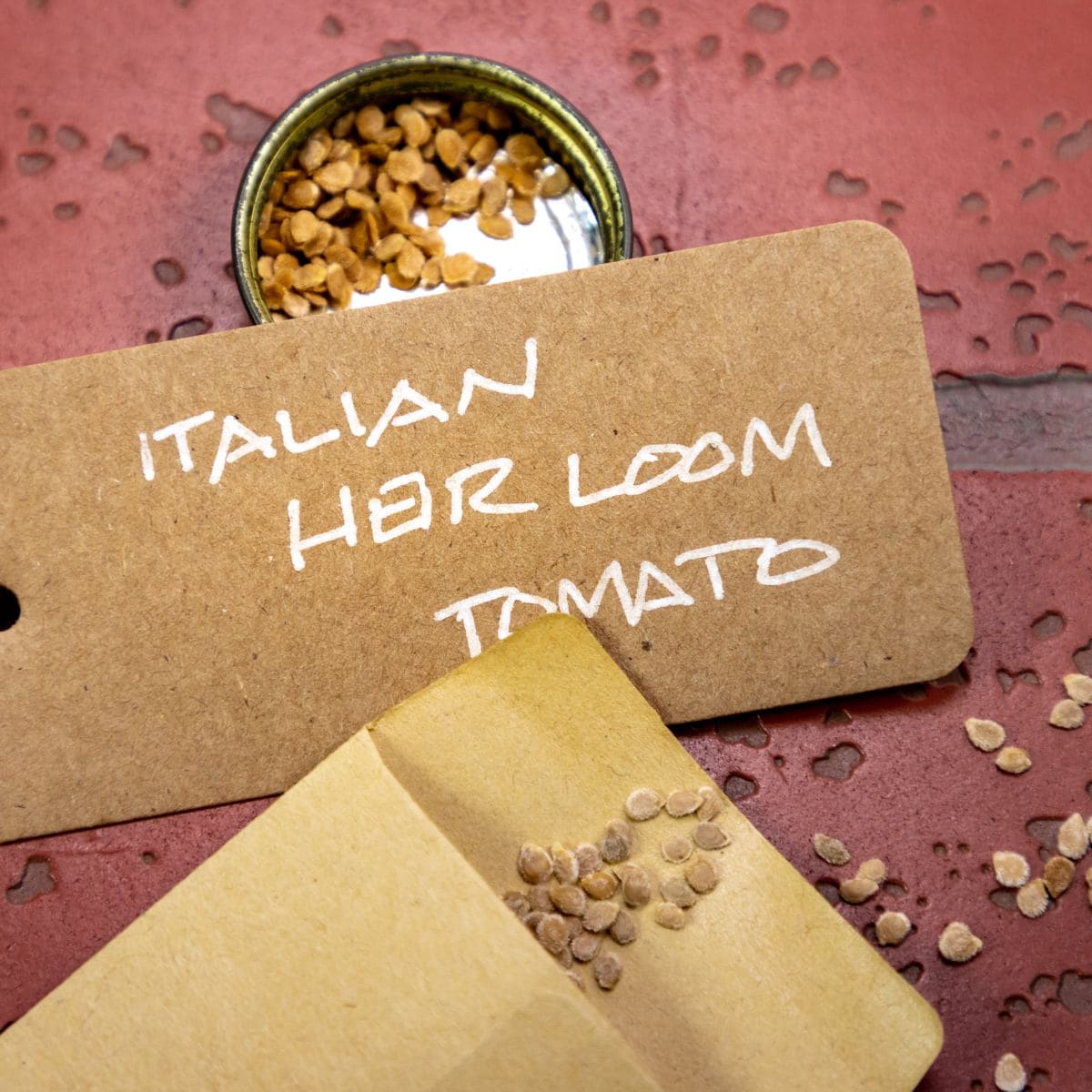
Likewise, if you are growing heirloom veggies or purchase them from a farmers market, you can save seeds from those and use them to start your own seedlings. Peppers and tomatoes are both good candidates.
Sprout ginger
You know how when you buy fresh ginger and let it sit for long enough it starts to sprout? Plant it in a container full of good potting soil. The ginger will sprout and grow into a plant, developing edible tubers underground.
One pineapple equals one plant
When you have fresh pineapples to eat cut the top off. Pineapple tops will grow and produce plants that — given the right conditions — will develop fruit. More on growing pineapple plants here.
From one plant, many
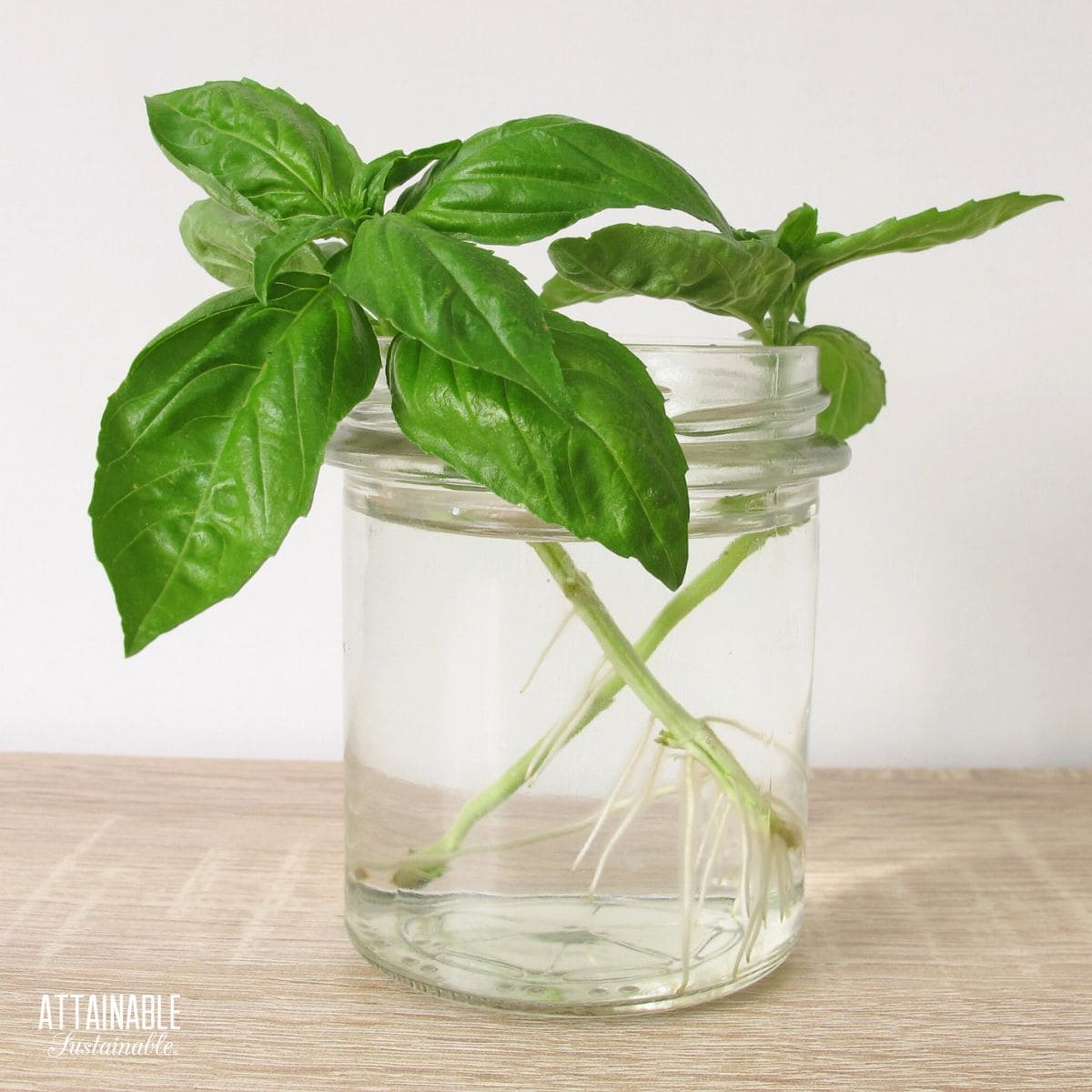
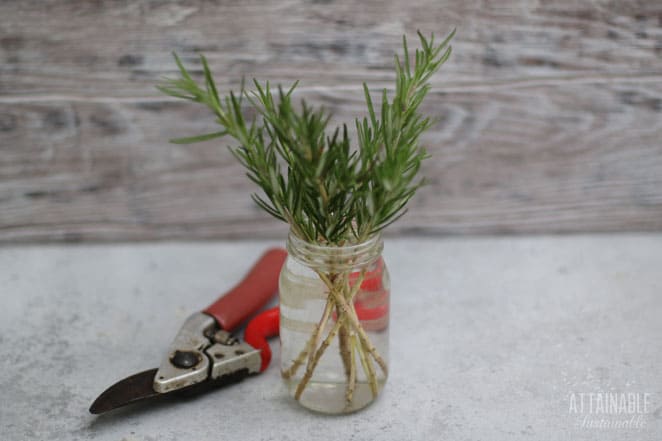
Propagating plants with cuttings is a way to turn one plant into many. If you have a plant in your garden, you can start new plants for yourself or for friends.
Conversely, if your friend has a plant you’d like, take a cutting and start one for your own garden. Rosemary and basil are two herbs that can easily be grown from cuttings.
Honey for rooting slips
Instead of buying hormone rooting powder, make your own from willow twigs. Alternatively, honey can help improve your success when propagating some plants. Spreading some honey on the cut end of a stem can significantly increase the success rate of slips. Just remember to keep all slips moist to encourage roots to form.
Pinching back
This will encourage bushy plants like tomatoes and gooseberries to send out lateral side shoots making for a fuller plant with more fruit.

Container Gardening
Plant a showy pot
It’s common for gardeners to plant showy pots full of colorful annual flowers, but there’s no reason you can’t include some edibles in those pots! To make a pretty pot, remember thriller, spiller, and filler – one plant that is thrilling with upright, showy foliage or stunning flowers; a spiller – a plant that trails down over the edges of the pot softening the edges, and the filler to take up all the empty spaces nicely to create a complete look. Try some edible options to mix in with the flowers!
- Thrillers: Consider peppers, eggplant, rainbow chard, or a purple kale.
- Spillers: Sweet potato vine, oregano, or Cherry Cascade tomato.
- Fillers: Lettuce, strawberries, or chives.
Choose the right container
If you’re starting a container garden on a limited budget, you’re probably searching for ideas for cheap containers in which to grow your vegetables. Good news! There are plenty of options that will cost little or nothing to get started with container gardens. Before you get started, here’s what you need to remember:
- Containers need to be the right size for the plant you intend to grow.
- Proper drainage. If the container doesn’t have a drainage hole, you’ll need to create at least one. This prevents too-soggy soil.
Read more on choosing the best container for what you want to grow.
Consider grow bags
Large grow bags — essentially “instant” raised beds — are easy, ready-to-fill planters that have some great benefits for the urban garden. They’re easy to transport, since they fold up compactly, and plants thrive in them. See mine in action here.
Stop soil loss
Use a broken shard of a terra cotta pot or a coffee filter in the bottom of the pot to prevent the soil from leaking out when you water. Place it over the drainage hole before filling the container with soil.
Growing Vertically
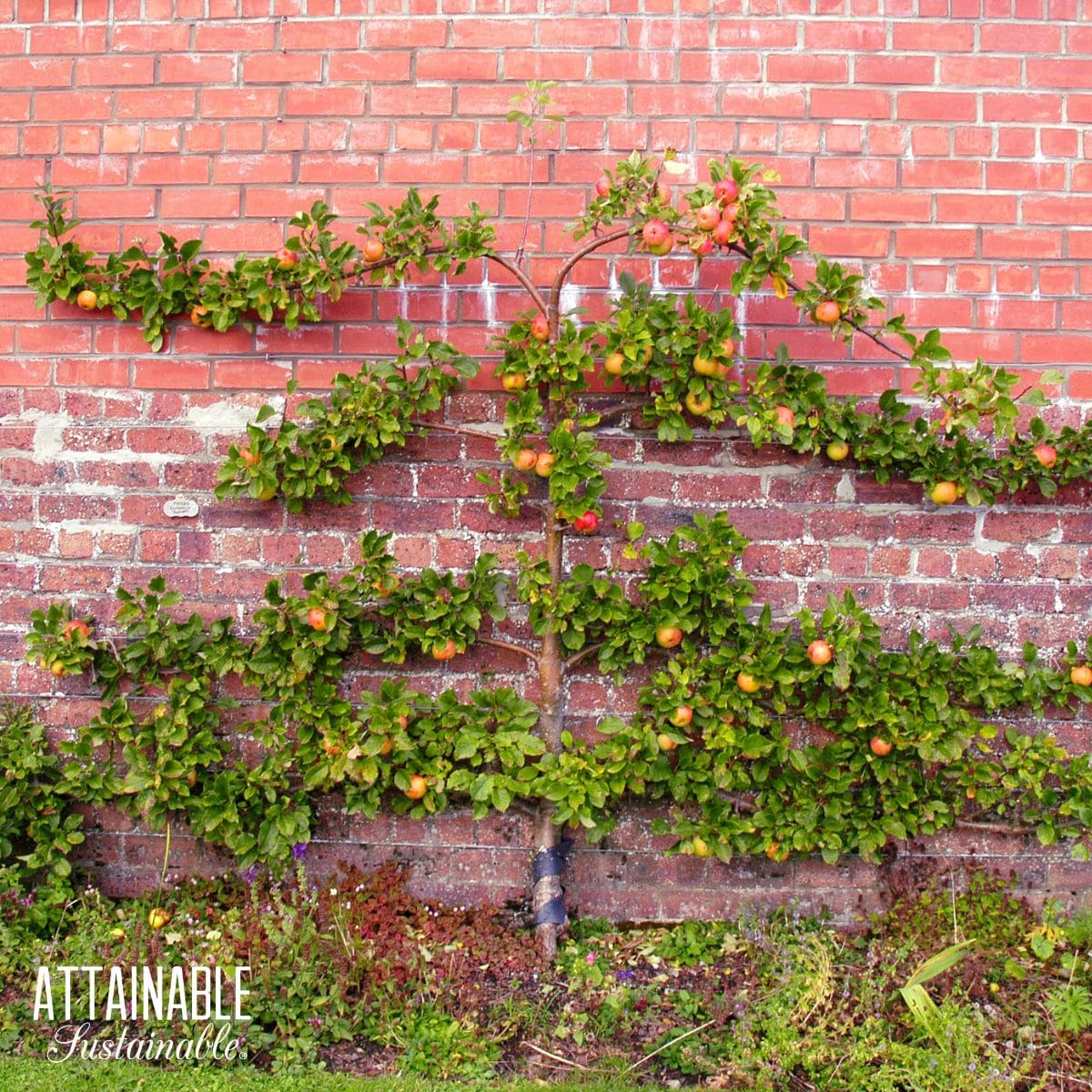
Espalier fruit trees
This method trains trees to grow upright in a narrow space. It’s often used to plant trees against a wall or in a narrow space that wouldn’t allow for a tree otherwise.
Staking beans and peas
Use jute string and wooden sticks or canes to create support for your plants, rather than plasticized string. It can all go onto the compost heaps afterwards. Click over here for more ideas on creating trellises from found items.
Hang it up
Turn unused air space into a productive area with hanging planters. Here’s how to make a DIY tomato planter that can hang in a sunny spot or try your hand at growing lettuce in hanging containers.
Grow Towers
Need to stretch your gardening space? We’ve all heard about going vertical, but here’s another way to take your garden to new heights: A PVC tower garden.
If you love the idea of a vertical garden, but just don’t have the time or inclination to build a grow tower of your own, there’s a ready-made option for you right here.
Use sunflowers as living stakes
Plant tall sunflower varieties with peas or beans. When sunflower plants are about a foot high, plant climbing peas and beans near them. The climbers will have a natural sturdy support system.
Extend the Harvest
Cool season veggies
While summer is considered the most productive time of year for a harvest, utilizing the shoulder seasons makes it possible to harvest crops in the early spring and late fall. These cool season vegetables should be on your radar if you want to grow more food.
Succession planting
You could plant once and call it good. Or you can plant vegetable crops in succession, every few weeks or so, for an ongoing harvest.
What happens, for example, when you pull mature radishes and add them to your table? Unless you’ve planted another crop to follow the first, you’ll be out of radishes. Here’s how to extend your harvest season with succession planting.
Water in the Garden
Plan for Drought
With drought and hot, dry summers becoming a regular part of our weather cycle, learning how to adapt is key to growing a garden. Implement some of these drought resistant vegetables and water saving methods in your gardening plans to harvest food from your backyard in spite of the climate.
Automatically water plants
Keep those used plastic water bottles out of the landfill and use them in your garden. Use a hot nail to poke holes in those bottles, then dig a hole and bury it next to a plant. Fill the bottle with water and it will slowly release water to the plant through the holes.
Deep watering
Bury a large plastic nursery pot in the ground with just an inch or so of the rim above ground. Plant crops like squash, cucumbers, or tomatoes around the pot. When you water, fill the pot. The water will seep slowly into the ground at root level.
Mulch
Without mulch, all of the water you give to your garden will evaporate quickly. There are a multitude of items that can be used as mulch (straw, leaves, cardboard) but you can also grow plants specifically to be “chopped and dropped” as mulch. Here’s a list of a dozen good mulch plants.
Consider drip
Drip irrigation can be quite a water saver in the garden. Use a drip system with special emitters or simply lay down a soaker hose. Either way, the water goes right into the soil.
DIY watering can
Repurpose a plastic milk container that comes with a handle. Poke holes with a large nail in the plastic lid (it can help to heat the nail). Voila – a watering can. Place one at each spigot in the garden so you don’t have to walk around looking for a watering can when you need one.
Soil Health
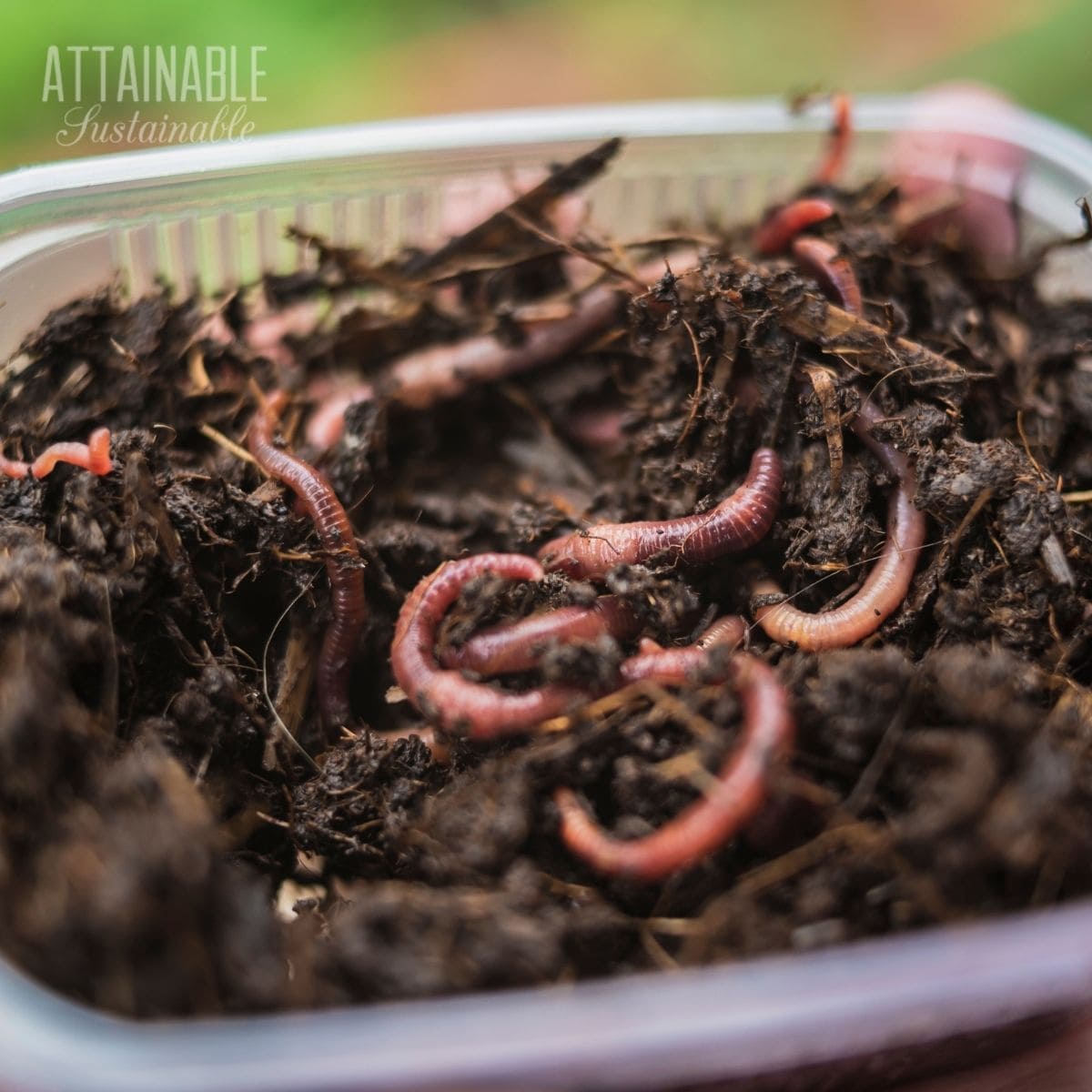
Put worms to work
Burying your kitchen waste – peelings, cores, and such – in the garden will draw earthworms. As the worms devour the waste, they create worm castings (aka poop) that is highly beneficial to the garden. You can also make yourself an inexpensive vermicomposter from a 5-gallon bucket.
Eggshells to improve soil
Crush your eggshells and dig into the garden – they are rich in calcium, which the plants need to grow strong.
Use Urine
This gives some people pause, but urine is very high in nitrogen, making it a great fertilizer. You can read more about how to safely use urine in the garden here.
Compost
If you’re not composting yet, this is the best thing you can do for your garden! Transform kitchen scraps into a rich soil amendment instead of dumping them in the trash.
Composting can be as simple or as intensive as you like. (I prefer simple!) One of the easiest methods of composting is to drill holes in the sides and bottom of a garbage can and start adding kitchen and yard waste. It doesn’t take up much space and it’s incredibly easy.
Head over here for more on getting started with composting.
Build a lasagna garden
Cover an area with uncoated cardboard and newspaper, then top this layer with cuttings from the garden, layers of leaves, and kitchen scraps. Water thoroughly. Top with compost or a good quality soil.
Plant your seedlings into this bed and water well – all the materials will eventually break down creating healthy soil that retains moisture. Head over here for a more in-depth look at sheet mulching.
Save wood ash
Wood ash from bonfires or wood-burning stoves is a natural source of potassium and can help remedy acidic soils. Dig it into the garden before you plant.
Dealing with weeds
Fill every inch of ground space
Try to avoid open spaces in your garden. Planting crops close together means there won’t be much visible soil. The shade from vegetable plants stops weeds from developing and helps to retain moisture.
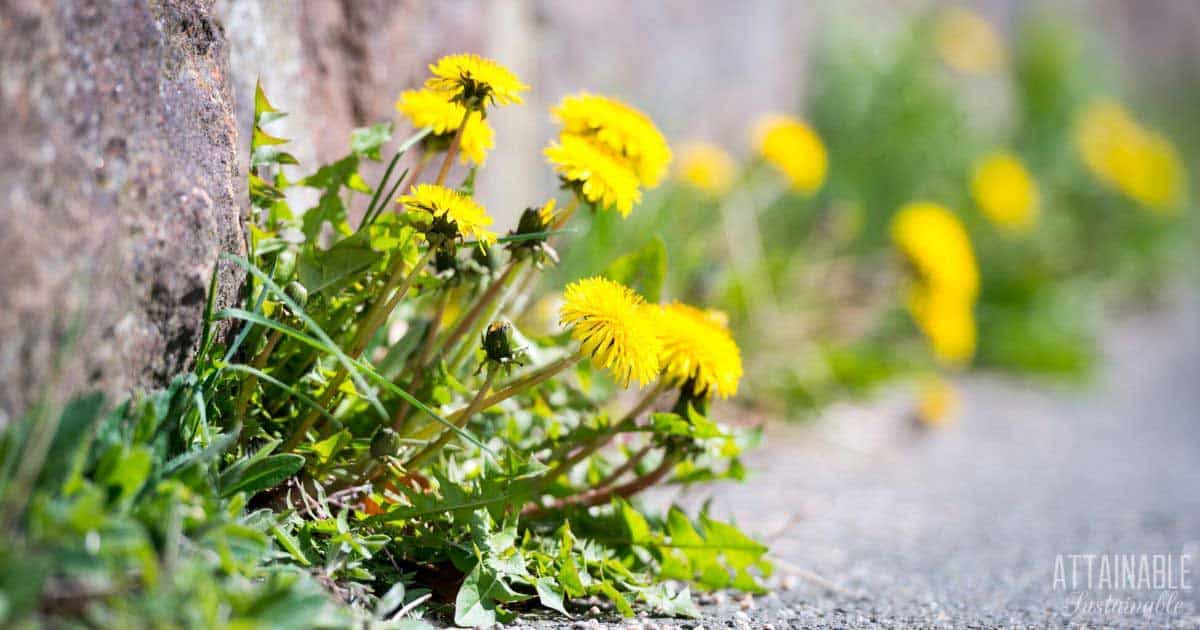
Boiling water for weeds
To get rid of weeds between paving stones and other spots around the yard, pour boiling water on the weeds. Make sure avoid putting the hot water on plants you want to keep!
Straw or leaves to control weeds
Using mulch retains water, but it also helps to hold down weeds. Spread straw or raked up leaves on the ground between plants to discourage weeds. Cardboard and newspaper work as well, though they are less attractive. For more natural weed killing ideas go here.
Put your chickens to work
If you keep a flock of egg laying hens, let their innate need to scratch and peck help you knock down weeds in the garden. More about using chickens in the garden here.
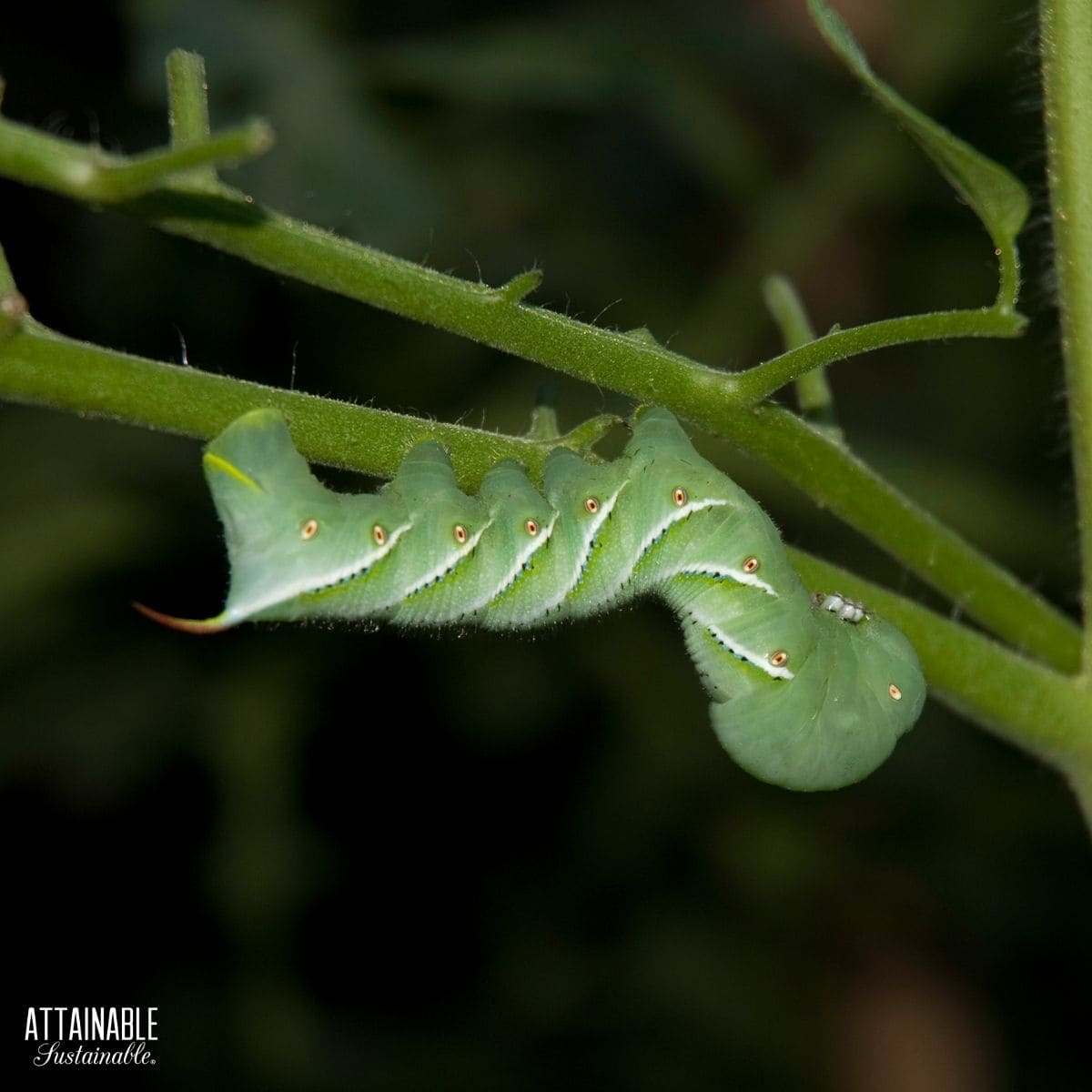
Deterring Pests
Luring birds away from your fruit
Instead of the birds eating your pears or plums try to lure them elsewhere by planting mulberries and other berries which they prefer. This isn’t foolproof, but it can help.
CDs for the birds
Tie old CDs on strings from branches of trees; the light reflection and movement can help scare away birds that can damage fruit.
Owls to scare birds
A realistic looking owl, hawk or snake in a prominent position may help but it will have to be moved often otherwise they will soon realize it’s a fake.
Use companion planting to control insects
Plant basil and marigold with tomatoes, to control pests naturally. This is just one example. Check out this handy companion planting guide for more information. Besides controlling insects, certain plants help each other with nutrients.
Plants to discourage mosquitoes
Lemongrass is a close relative of citronella and can help deter mosquitoes. Plant in tubs on your patio area as a deterrent, and you can use it in cooking, as well. Citronella grass is the source of citronella oil – not the citronella pelargonium marketed as a mosquito repellant. Use the real citronella grass for best effect.
This tactic won’t deter every single annoying mosquito but can certainly help.
Plants to deter flies
Lavender, rosemary and mint can help repel annoying flies. Plant them around chicken coops and place in kitchens.
Eliminating fruit fly larvae
In orchards and around fruit trees make sure to pick up all fallen fruit before fruit fly larvae can develop and bury them in the ground. This is a form of trench composting; the fruit will break down and add nutrients to the soil.
Fencing
Hedges as edible screens
Why should a hedge simply serve as a screen? Make them useful by planting edible hedging plants like raspberries, cherry plum, or blueberries.
Roses as a protective fence
In small spaces, plant fragrant standard roses interspersed with low growing roses on a fence line or property line. The thorns will also discourage animals and people from trampling on them.
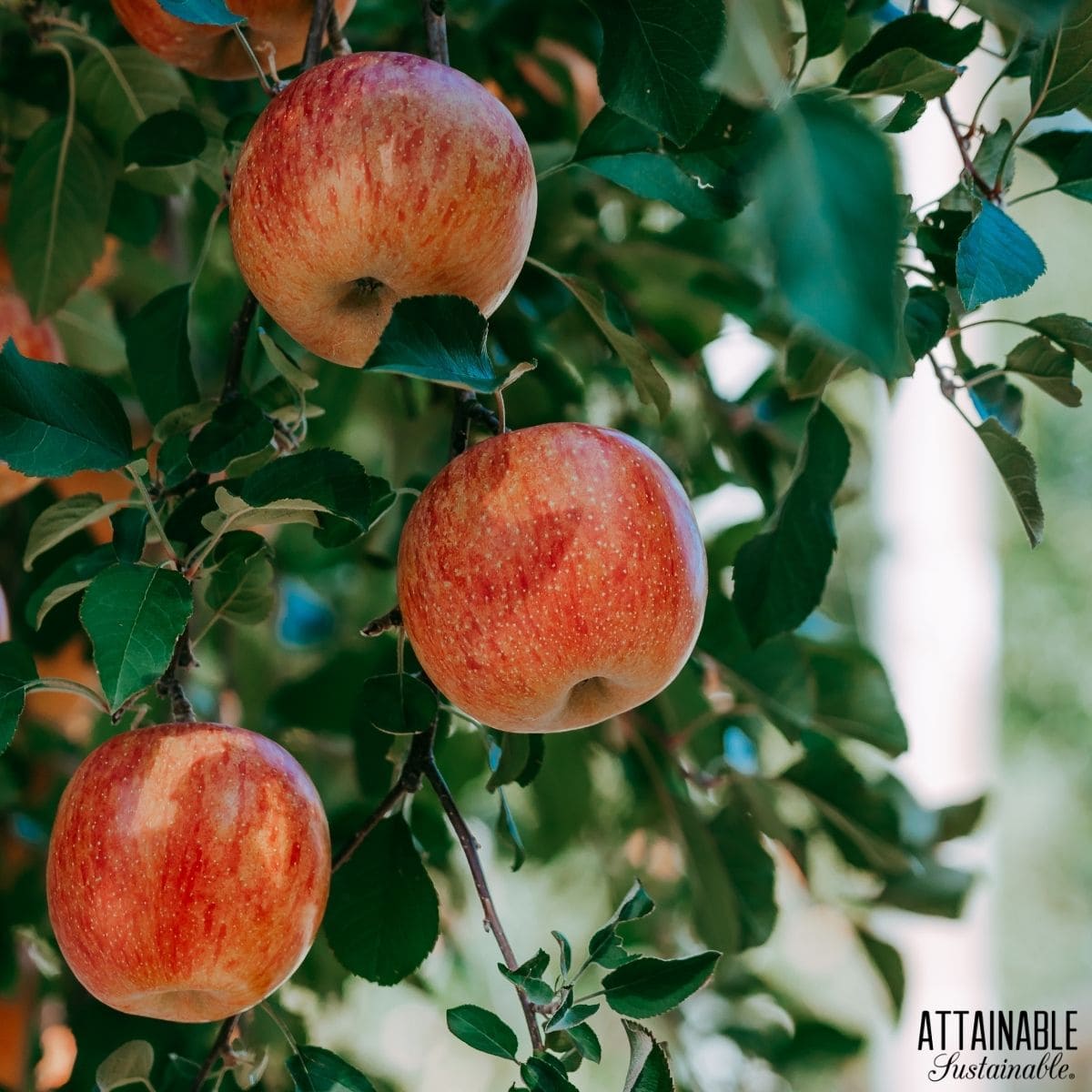
Grow an Orchard
Plant Fruit Trees Now
Vegetable gardens offer a harvest in the short term. A fruit tree takes longer to produce (generally 3-5 years), but when it does, the harvests are quite large. Getting a tree in the ground now will set you up for years and years of harvesting fruits like apples, crabapples, pears, nectarines and plums.
Choose Bare Root
You’ll save on the expense of planting an orchard if you pick up what you need during the winter bare root season. During this time you will find nurseries stocked with dormant trees that are free of soil.
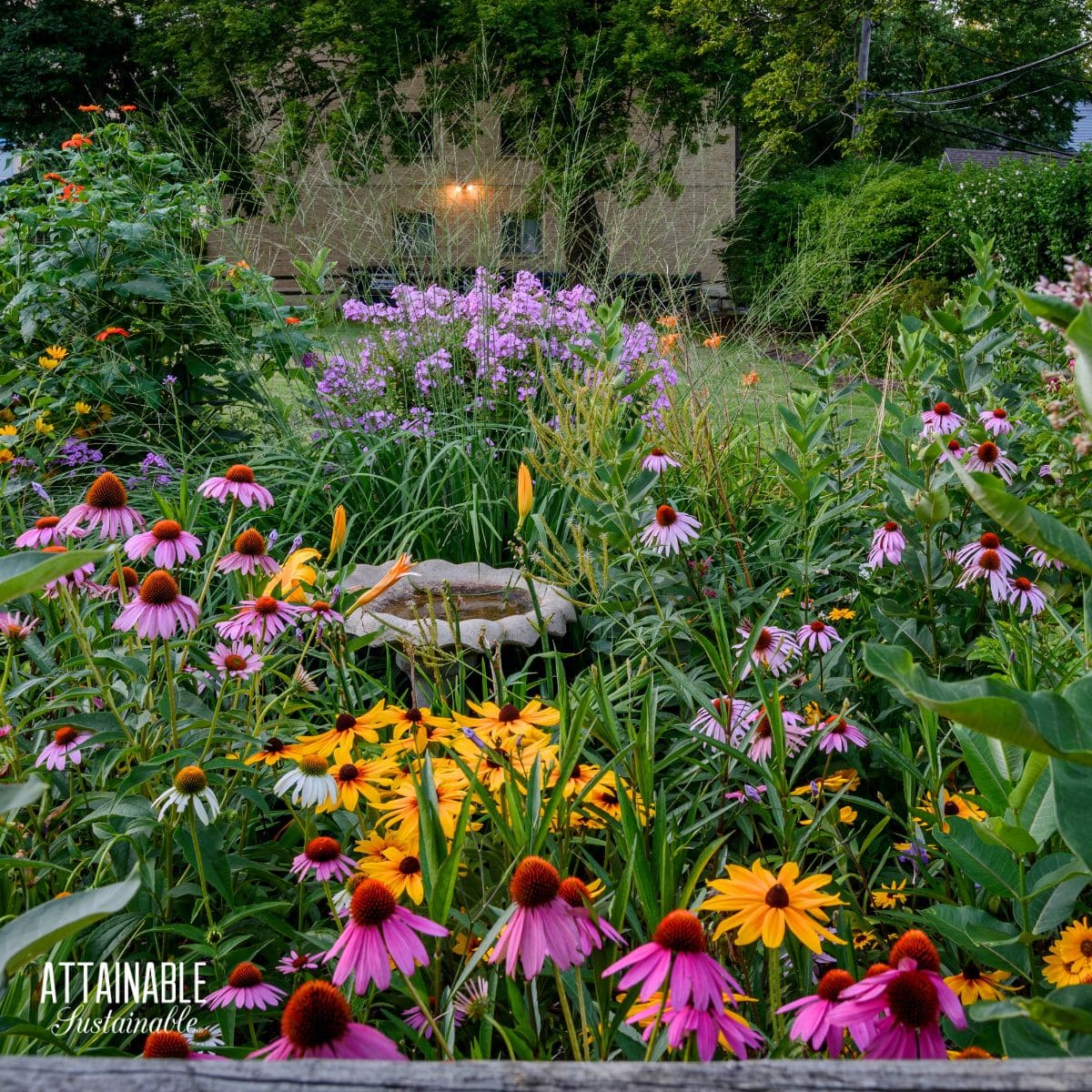
Support Pollinators
Grow milkweed
Despite the “weed” in its name, milkweed is a valuable native wildflower for gardeners and conservationists alike. Consider growing milkweed to encourage butterflies to take up residence in your garden! There are many milkweed species; learn more about growing milkweed here.
Plant a pollinator garden
Growing a pollinator garden helps to attract the good guys, the butterflies and bees that help make sure that the blossoms on your fruits and vegetables set fruit. Planting perennial flowers for bees means that they’ll be a food source for pollinators for years.
Keep it Clean
Gardener’s hand cleaning tip
Combine roughly equal parts sugar and olive oil and rub into your hands thoroughly, then rinse. The sugar acts as an exfoliant to get rid of the dirt and the olive oil helps to moisturize the skin. Do this outside to avoid running oil down the bathroom sink.
Remove the tomato smell
Working with tomato plants leaves your hands stained and harboring a strong smell. My grandpa Sam taught me this trick, and it works. Find an overripe tomato in the garden and smash it well, then rub all over your hands. The smell of tomato will rinse off with water.
Store garden tools
Attach a pallet to a wall or fence that is relatively protected from the weather, making sure that the open end faces up. To store long handled garden tools, just slide the handle into the top.



I see people starting vegetables in beds that are raised. I would like to avoid that and plant the seeds in a bed that is just built up from the ground. But I would bring in soil that comes from nearby. But I would bring in good soil.
I would bring in fine and composable soils. I hope that is a clear question.
Some plants are easier to start from seed than others.
I’m so grateful for the tip for worms on the brassicas. I’ve been invaded. Going to try it tomorrow!
Great info. Thx for sharing. We r all wiser thx to yur info!!
thank ewe
Thank you for your wonderful advice-I am excited to try out many things in my garden.
Love love love this!! I am continually moving this direction! Love your tips! Anything for squash bug remedy?
My friend Quinn has this: https://www.reformationacres.com/2012/07/how-to-kill-squash-bugs-squash-bug-eggs-and-nymphs.html
“Make a natural rooting hormone from willow cuttings”
What cool advice! Definitely going to give this a try! Your article is fantastic overall. It made me think of another frugal tidbit we picked up along the way: use recycled materials for indoor seed starting for transplants! Milk cartons are a good one for this!
Anyway, thanks for the article, I thoroughly enjoyed it!
Mindy of The Walking Herbalist
Hi Chris,
I love the post. I also think that planting rosemary near the kitchen or windows could go a long way repelling harmful insects and mosquitoes. You’ve mentioned growing marigold to attract beneficial insects and combating nematodes, is it also possible for marigolds to repel thrips?
Thanks for sharing
Thrips can be thwarted by spraying a mixture of garlic and water…this has saved my roses several times over! Pulverize the garlic in a blender with water, strain and spray…
Hi Chris, I just came across your website. This is great! I have signed up for your newsletter. Thanks for all your work & info.
I love Chris’s Ideas and I’m glad you shared here today ! Love you site !
Linda
TIPS not hacks.