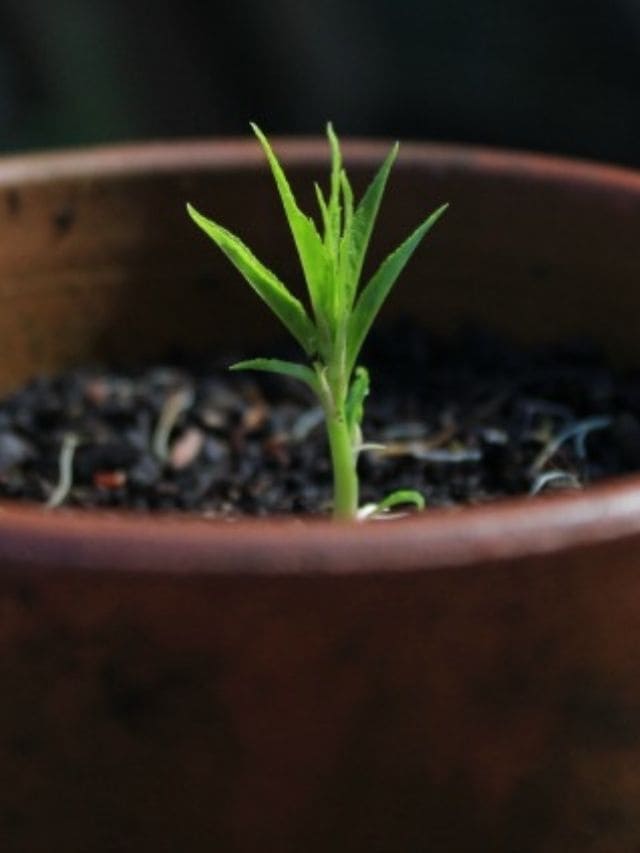
Step-by-Step Instructions to Grow Nectarines from Seed
Growing a nectarine tree from seed is a frugal way to start a home orchard.
Print
Pin
Yield: 1 orchard
Equipment
- jar
- planter
Ingredients
- nectarine pits (or more)
- potting soil
Instructions
- Save the pits from nectarines or other stone fruit that you find highly flavorful. Finding an heirloom variety might increase your chances of success.
- Use a hammer to remove the almond-shaped seed from the pit. Set the pit on a solid surface, sharp edge down. Gently tap the pit until it cracks and you're able to remove the seed. Discard the outer pieces of the pit. (I toss them in my compost.)
- Fill a jar about 3/4 full with damp (not wet) potting soil. Put several nectarine seeds in the jar and gently roll the jar to distribute the seeds in the soil.
- Place put the lid on the jar and store in the refrigerator for two-to-three months. There's no need to poke holes in the lid, and you don't need to water the seeds while they're in there. The closed jar will retain moisture.
- Check the jar regularly, watching for the rootlets that will sprout from the nectarine seeds.
- When rootlets appear, it's time for planting nectarine seeds! Fill pots nearly to the top with a good potting soil. You'll need enough pots for each nectarine or stone fruit seed to have its own container.
- Gently remove the sprouted nectarine seeds from the jar. Set one seed in each container. Cover with an inch or two of soil.
- Water pots and wait. Make sure that the soil in the containers remains moist but not overly wet. You should see sprouts appear within a few weeks.
- Continue caring for your potted nectarine tree in the container until it reaches one-to-two feet in height. At this time, you can move
Notes
- While I started by planting nectarine seeds to sprout my Grandma’s nectarine tree, this method works with other stone fruit varieties as well. I’ve been successful in starting several plum trees this way, too. Peaches, plums, and apricots are all worth trying.
Did you make this recipe?Mention @attainablesustainable or tag #attainablesustainable!