Whether cooking a main course, a side dish, or even a dessert, an electric pressure cooker can help you make quick work of some of your kitchen duties. This introduction to electric pressure cookers will help get you decide if one is right for you.
Electric pressure cookers are a versatile and convenient appliance that can be used to cook a wide variety of foods. However, it’s important to use it properly and follow the instructions in your user manual to ensure that it functions correctly and safely.
While the term “Instant Pot” is commonly used, it’s actually a brand name. There are a number of manufacturers who produce electric pressure cookers; the Instant Pot is just one brand. I’ve owned several IPs over the years, but I’ve recently switched to a Presto.
They function similarly, but having the Instant Pot fail so many times led me to switch brands. Crossing my fingers that the Presto lasts longer.
Cooking Options
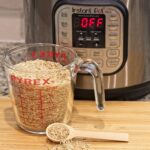
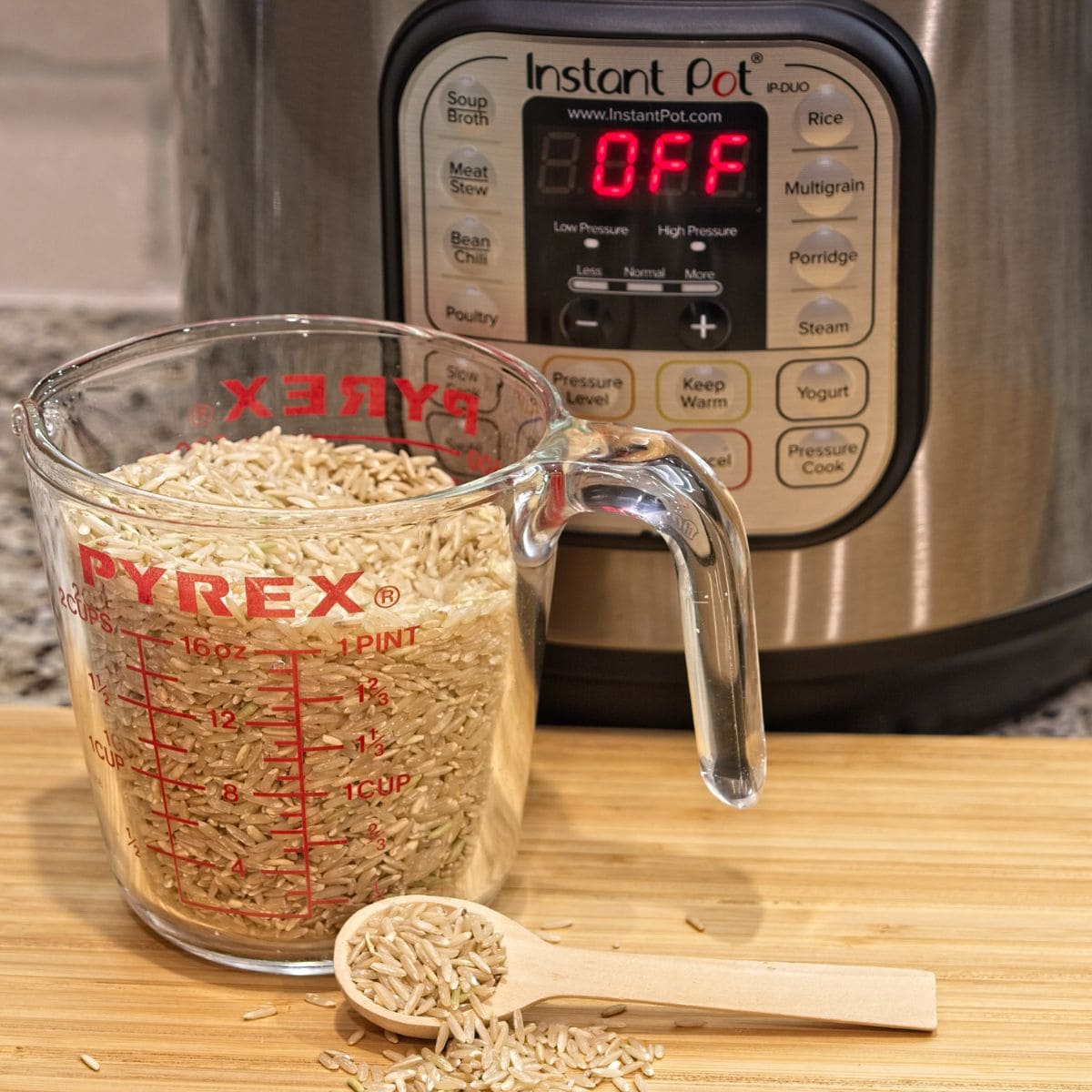
As you can see in the image below, there are a number of functions to choose from. I particularly like the sauté option, as I can brown ingredients before setting the pressure cooker to cook.
There’s also a slow cooker function. My electric pressure cooker also stands in as a rice cooker.
One Appliance, Many Functions
One of the greatest things about a pressure cooker is that it extends the number of cooking options in your kitchen, especially handy during the holidays when the stove top is running at full capacity.
Electric pressure cookers, with their different functions can act as many different appliances, reducing the amount of space you use in your kitchen. It can be a:
- Rice cooker
- Slow cooker
- Steamer
- Electric pressure cooker
The options offered will vary by models and brands. With a collection of good recipes, this little device is a great option for small kitchens!
This appliance is made of a heavy base which holds the heating element, the removable metal inner pot, and a lid with a pressure valve. The bottom of the cooking pot sits directly on the heating element.
Pressure Cooking
If you have a new pressure cooker and just learning to use it, follow these simple steps for first time success:
- Prepare the ingredients as directed in the recipe and add them to the pressure cooker in the order specified.
- Check to assure that the sealing ring is attached properly. This silicone ring sits inside the lid; the groove in the ring should align with (and be held in place by) the metal frame in the lid.
- Secure the lid by setting it in place and turning until it plays a little tune. This indicates that the lid is properly seated. Check the steam release valve to be sure it’s in the sealing position. If left in the venting position, steam will escape from the pot and pressure will not build.
- Set the cooking time and pressure level. The manual setting is the basic cooking option for cooking under pressure; you may be able to choose high pressure or low pressure. The exact settings will depend on the recipe you’re using and the model of electric pressure cooker, so be sure to follow the recipe and manufacturer’s instructions carefully.
- Press the start button to begin the cooking process. The time required to reach full pressure will vary depending on what you’re cooking and how full the pot is. Once pressure builds, the cooking time will begin. You’ll see this on the digital read-out on the front of the pot.
- When the cooking time is up, the pressure cooker will beep to let you know that the cooking time is complete. To release the pressure, you can use either the natural release method or the quick release method. See below for more on how to do this. Refer to your user manual for instructions on how to do this safely.
- Once the pressure has been released, you can open the lid and serve the food.
One thing to note is that the cook time listed in a recipe does not include the time needed for the appliance to build pressure, nor does it include the time required for using the natural release method. So while a recipe needs to cook for 20 minutes, it may take as much as 40 minutes to complete the cooking cycle.
When Can I Open my Pressure Cooker?
One common question that many users have is when they can remove the lid from the pot. The answer to this question depends on the recipe.
If you’re using this appliance to pressure cook food, it’s important to wait until the pressure has been released and reaches a safe level before removing the lid. The high pressure inside the pot can result in steam burns or other injuries if you try to open the lid too soon.
To release the pressure and cool down the pot, you can use one of two methods: natural pressure release or quick pressure release.
With natural pressure release, you simply allow the pot to sit undisturbed until the pressure has naturally dissipated. This can take anywhere from 10 to 20 minutes, depending on the size and type of food you’re cooking. You should be able to freely turn the lid. (One of the great IP safety features is that the lid will not easily open while pressure remains in the pot.)
With a quick release method, you’ll manually open the pressure release valve. This will cause a jet of steam to emerge; be sure to use an oven mitt or cover the steam vent with a towel to protect yourself from the hot steam. As the remaining pressure diminishes, the steam will stop flowing. It’s a good idea to wait a few minutes, then you can carefully open the lid. Be sure to tip the top of the lid away from you to prevent steam burns!
If you’re using the pressure cooker to slow cook or sauté food, you can remove the lid at any time during the cooking process as it is not under pressure.
Safety Precautions
It’s true — these electric pressure cookers cook food under pressure. (Ha! Did this just start playing in your head??) The concern I hear most is that of a potential explosion.
And of course you should use caution when using an electric pressure cooker. What does that mean?
- Follow manufacturer’s directions on filling the pot. Don’t exceed the maximum fill line!
- Use caution and common sense when manually opening the steam release button. Steam will flow from the vent when it’s opened. Be sure that no parts of you are in its path to prevent burns.
- Do not try to remove the lid while the cooker is still pressurized. Whether you allow for a natural or manual release, be sure that pressure is completely released before lifting the lid.
- As with any hot pan, lift the lid away from you, to prevent steam from escaping toward you.
Electric pressure cookers have safety mechanisms in place to prevent dangerous accidents.
I’ve been cooking in one of these for years now, and have no incidents to report!
For those of us on a budget, there’s another thing to consider about cooking under pressure. Even the least expensive cuts of meat (or toughest roosters) come out falling-off-the-bone tender.
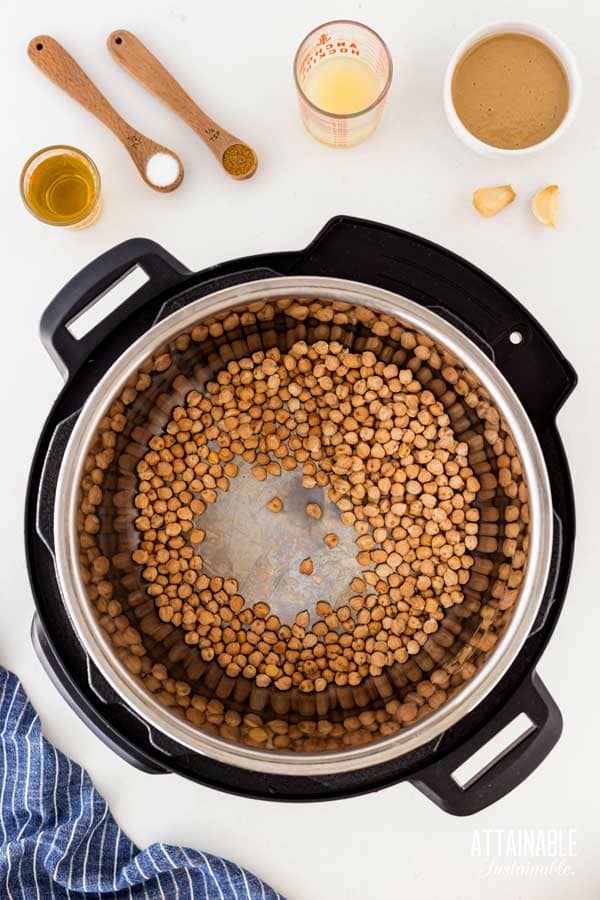
It’s all I use anymore for cooking dry beans from scratch. I use it regularly for making broth and soups, for making rice, and for cooking taro.
For all of the things these appliances can do, these electric pressure cookers are not a safe method for pressure canning.